
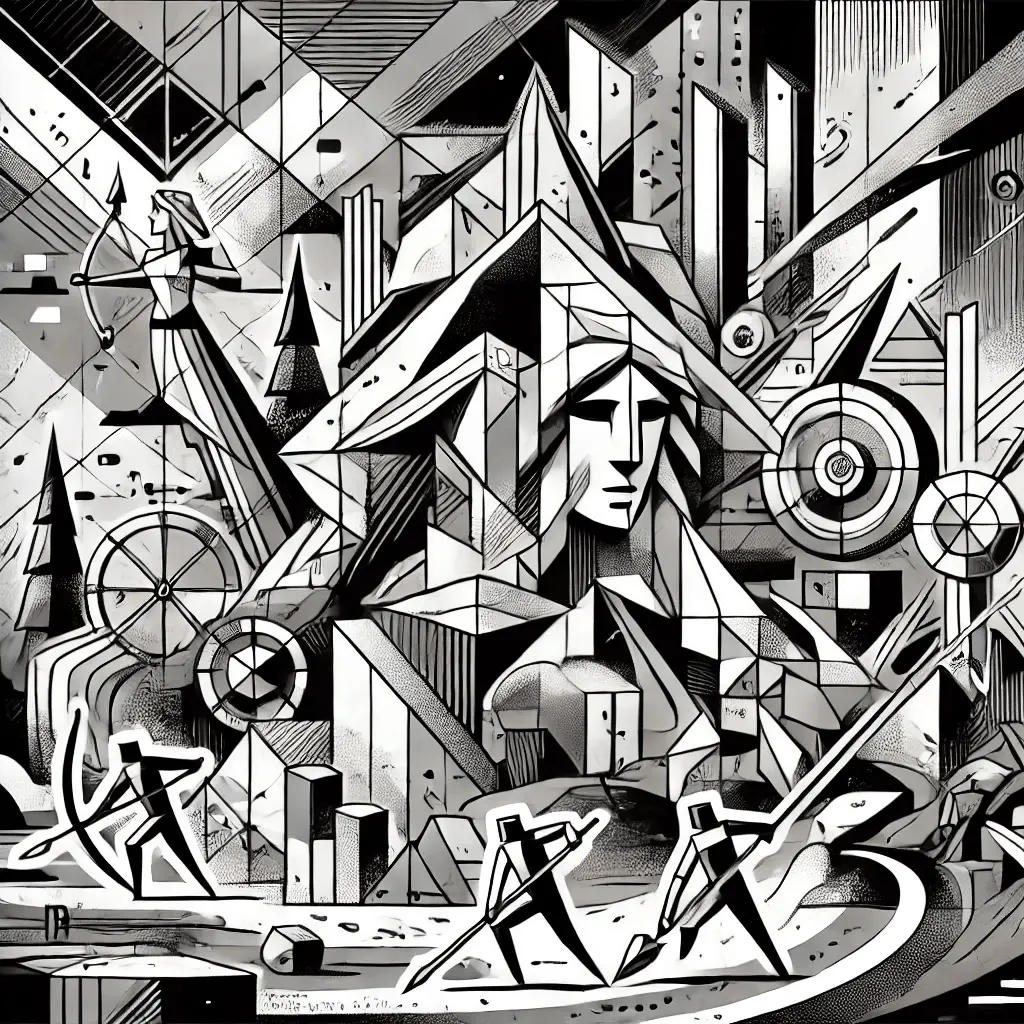
There’s a certain kind of madness required to build a world from scratch. Not the well-funded, studio-backed kind where executives sign off on lore bibles and merchandising deals before a single pixel or panel is drawn. No, I’m talking about the pure, unfiltered insanity that drives indie creators to spend sleepless nights crafting entire universes from nothing but stubborn willpower and caffeine overdoses.
Somewhere, right now, a lone comic artist is sketching out a city’s skyline, every building holding a story. Somewhere else, an indie game developer is coding the history of an empire, making sure the NPCs reference it in their dialogue.
This is where the magic happens. Not in boardrooms. Not in billion-dollar studios. But in the late-night trenches of the indie world, where every stroke of the pen and every line of code has to work twice as hard to make people believe.
When you’re an indie creator, you don’t have the luxury of sheer volume. You can’t flood the market with spin-offs, novels, animated shorts, and action figures to hammer your world into the public consciousness.
No, you have to make every single detail matter.
Indie comics and games excel at small, powerful worldbuilding, the kind that sucks you in without drowning you in exposition dumps or twenty-page histories. They let the world reveal itself organically, with layers that unfold the deeper you go.
Think of Hollow Knight, where the tragic, crumbling kingdom isn’t explained, it’s felt. Think of a webcomic like Kill Six Billion Demons, where a single panel can tell you more about the world’s hierarchy than a full-page lore dump.
Indie creators don’t have time to waste, and that’s what makes their worldbuilding razor-sharp and immersive as hell.
Big studios take ten years to build a world because they overthink it. Indie creators don’t have that luxury. They have to make every moment count.
A single background detail in a comic can do the work of an entire prologue. A throwaway NPC line in an indie game can hint at entire unseen conflicts.
This is the indie secret: less is more, if what you show is perfect.
Indie games and comics trust the audience to be smart. They don’t hand-hold. They don’t over-explain. They give just enough information to light the path, then let you wander into the unknown.
Ever notice how the best indie worlds feel like there’s more happening just outside the frame? That’s because they’re built with implied depth.
This is how you create a world that sticks in people’s heads, by making them feel like it exists even when they’re not looking.
Here’s the real kicker: a well-built world becomes your marketing.
Think about it. People don’t just talk about stories anymore. They talk about universes. They obsess over details, hunt for hidden lore, and turn even the smallest side character into an entire subreddit discussion.
If you build your world well enough, your fans will do your marketing for you. They’ll spread the word, demand more content, and keep your project alive long after it’s finished.
This is why indie creators have an edge over big studios, because they’re crafting worlds that feel personal. Worlds that feel like they were made by someone who cares.
And in a market drowning in soulless cash grabs, that’s worth more than any advertising budget.
The best indie comics and games don’t just tell a good story. They create a place you don’t want to leave. A world that lingers long after you’ve turned the last page or beaten the final boss.
So, if you’re an indie creator, here’s the only worldbuilding advice you really need:
The best worlds don’t just tell a story. They pull you in and refuse to let you go.
(And if you need proof, just take a look at what some indie teams, like a certain STUDIO INTI., are brewing up. The next great universe might already be in the making.)
– PALADIN aka P.A.L.