
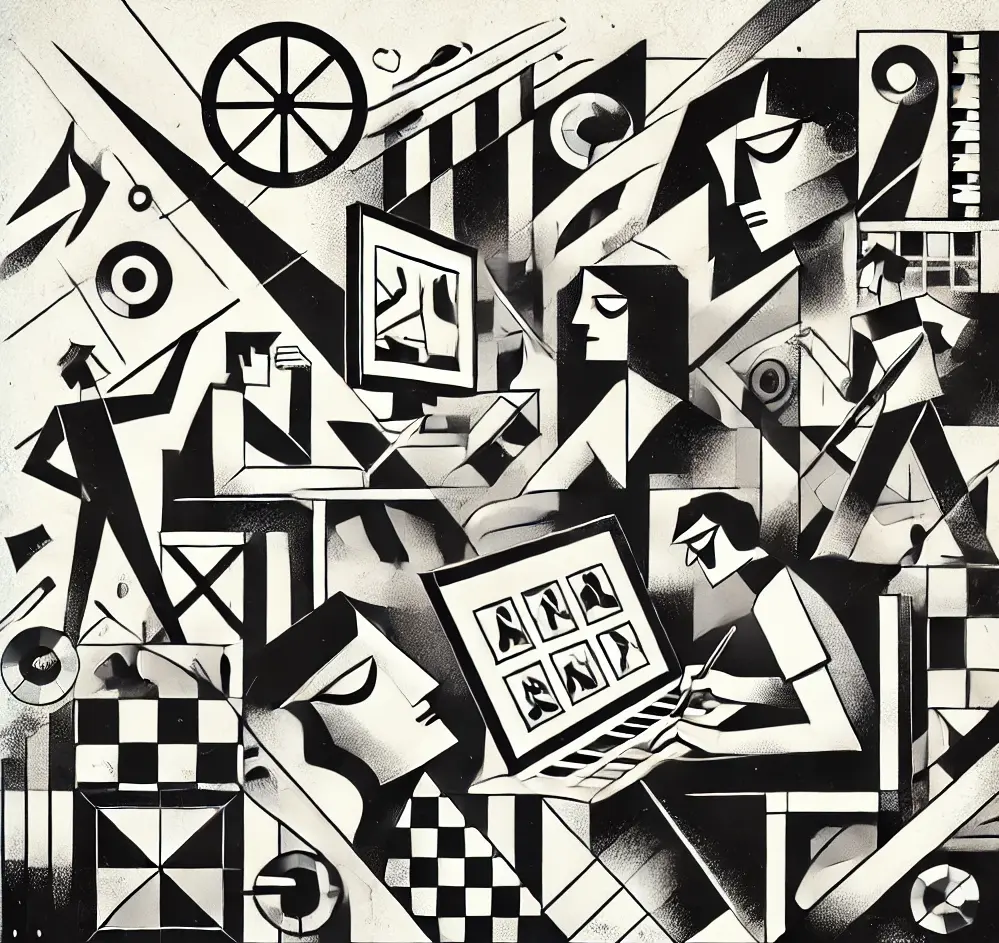
The room smelled like cheap takeout and shattered dreams, two constants in the world of indie animation. A group of hopeful animators huddled around a laptop glowing with half-rendered frames, their faces lit by equal parts ambition and caffeine-induced mania. This wasn’t some Pixar boardroom or a slick Hollywood pitch meeting. This was the gritty, glorious battleground of indie animation, where every pixel feels like a revolution.
Let’s get one thing straight: producing an indie animation isn’t for the faint of heart. It’s a tightrope walk over a pit of alligators, where every misstep feels like the end of the line. But if you’re crazy enough to step into this world, you’re already halfway there.
Every great indie animation begins as a half-formed fever dream. Maybe it’s a quirky idea you scribbled on a diner napkin at two in the morning or a concept that’s been rattling around your skull like loose change. Whatever it is, don’t overthink it, yet. Let the chaos flow.
The beauty of indie animation is that no idea is too weird. In fact, the weirder, the better. The mainstream animation world might scoff at a story about a sentient mop battling existential dread, but in the indie scene, that’s the kind of gold people are mining for.
Animation isn’t a solo sport. You’ll need artists, writers, voice actors, and, if you’re lucky, someone who knows how to keep the whole operation from imploding. The indie world isn’t about hiring the biggest names; it’s about finding people who believe in your vision as much as you do.
Chances are, your team will be fueled by passion more than paychecks. That’s the magic of indie animation, it’s less about money and more about making something that matters. But remember, passion doesn’t pay the bills, so treat your crew like the gold they are.
Ah, the budget, where dreams go to die. Indie animation lives and dies by its ability to do more with less. You’re not working with Disney dollars here; you’re working with ramen and recycled ideas.
Crowdfunding platforms like Kickstarter and Patreon can be lifesavers, but they’re not magical ATMs. You’ll need to hustle, pitch, and sell your soul (metaphorically, of course) to convince people your project is worth backing. Every penny counts, and every expense will make you question your sanity.
The animation process is where the real madness begins. Late nights, endless rendering, and the constant feeling that you’re one corrupted file away from a complete meltdown. This is where you learn whether you’re truly cut out for the indie animation world.
But here’s the thing: it’s worth it. Every frame you finish, every scene that comes to life, is a small miracle. Indie animation isn’t about perfection, it’s about heart. And when you see your characters move for the first time, it’s like watching a part of your soul take flight.
Once your animation is done (or close enough to done), it’s time to let it loose on the world. Festivals, YouTube, Vimeo, Webtoons, there’s no shortage of platforms to showcase your work. But here’s the catch: no one’s going to find it unless you shout it from the rooftops.
Indie animation is a noisy world, and you’ll need to be louder than the crowd. Social media, guerrilla marketing, and sheer persistence are your best friends. Get creative. Get obnoxious if you have to. The world deserves to see what you’ve made, but it won’t happen unless you make them look.
Producing indie animations isn’t just a process, it’s a way of life. It’s messy, exhausting, and often feels like an uphill battle against impossible odds. But it’s also thrilling, rewarding, and deeply, profoundly human.
In a world where big studios churn out safe, formulaic content, indie animators are the ones taking risks. They’re the dreamers, the rebels, the ones who remind us that art doesn’t have to be polished to be powerful.
So if you’re standing on the edge of this wild, wonderful world, don’t hesitate. Take the leap. Embrace the chaos. And remember: the madness is the point.
(Oh, and if you’re looking for a little inspiration—or maybe just a nudge in the right direction, check out what STUDIO INTI.’s been cooking up. We’re in the trenches too, and we know the game better than most.)
– PALADIN aka P.A.L.